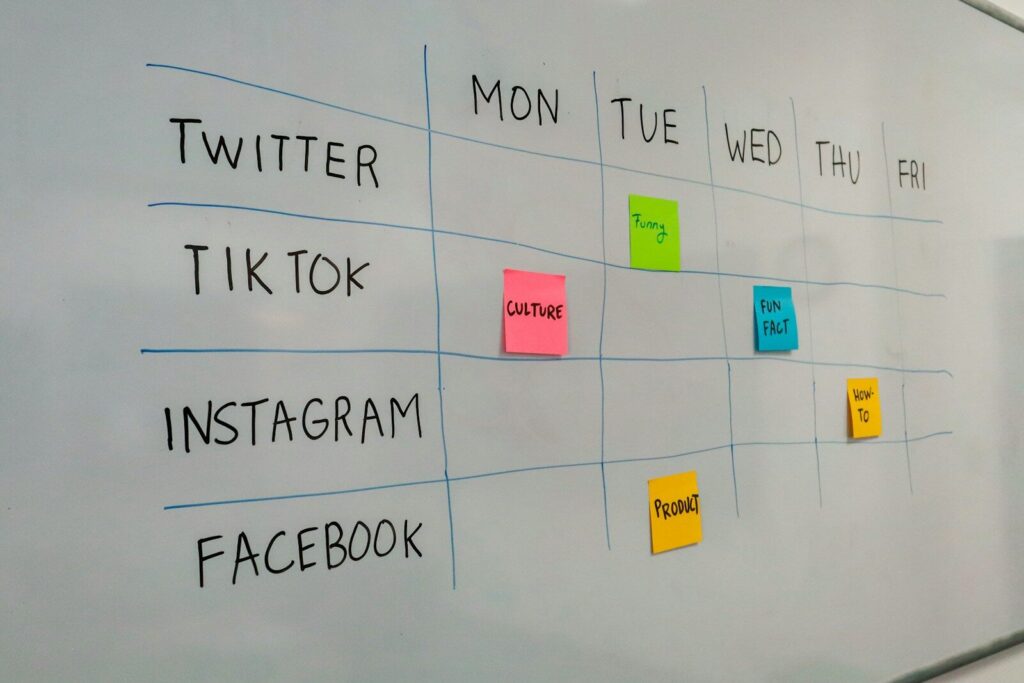
Advertisement of social media simply means using paid campaigns on platforms like Instagram, TikTok, Facebook, LinkedIn, and YouTube to reach targeted audiences quickly. Unlike organic content, social ads use audience data, AI optimization, and conversion tracking to generate measurable business results such as leads, sales, and customer acquisition.
Most brands do not lose money on social ads because advertising is broken. They lose money because they launch campaigns without a system.
They boost random posts, target broad audiences, and judge success based on likes instead of revenue. That approach worked years ago. It does not work in 2026.
Modern social advertising depends on performance creative, AI-driven optimization, audience data, and conversion-focused execution. Businesses that understand this framework scale faster while reducing wasted ad spend.
This guide explains how to build profitable social media ad campaigns using current strategies, platform trends, and measurable performance systems.
For the bigger framework behind paid and organic growth, read our social media marketing strategies guide.
What Is the Advertisement of Social Media?
The advertisement of social media is the process of paying platforms to distribute content to specific audiences.
These audiences are selected using demographic data, online behavior, interests, purchase activity, engagement signals, and first-party customer information.
Unlike traditional advertising, social platforms optimize campaigns in real time. Algorithms study user behavior and automatically show ads to people most likely to click, engage, or purchase.
That is why social advertising remains one of the fastest ways to scale a modern business.
Platforms now use machine learning to predict buyer intent before customers actively search for products. This shift changed how businesses approach advertising.
Why Businesses Invest Heavily in Social Ads
Social media advertising gives businesses three major advantages:
- Fast audience reach
- Precise targeting
- Measurable ROI
According to Statista, global social media ad spending continues growing rapidly as businesses shift budgets away from traditional channels.
Unlike billboards or TV ads, social campaigns provide direct performance feedback. Businesses can monitor:
- Cost per click
- Lead quality
- Conversion rates
- Customer acquisition cost
- Revenue attribution
This data-driven approach allows continuous optimization.
Social Advertising vs Organic Marketing
Organic marketing builds trust slowly.
Paid advertising accelerates visibility immediately.
Both matter, but they serve different purposes.
| Organic Marketing | Paid Social Advertising |
|---|---|
| Long-term audience building | Fast traffic and conversions |
| Community engagement | Targeted customer acquisition |
| Lower direct cost | Requires ad spend |
| Slower growth | Scalable quickly |
| Relationship focused | Revenue focused |
Most successful brands combine both systems.
Organic content builds trust and authority. Paid campaigns amplify high-performing content to larger audiences.
Businesses that rely only on organic growth usually scale slowly. Businesses that rely only on ads often struggle with retention and loyalty.
The strongest strategy combines audience trust with paid distribution.
Why Organic Reach Keeps Declining
Platforms prioritize paid distribution because advertising drives revenue.
As a result, organic reach on Facebook, Instagram, and LinkedIn has steadily declined.
This does not mean organic content is useless. It means brands must create stronger content and support important campaigns with paid promotion.
Short-form videos, creator collaborations, and community content still perform well organically. However, paid ads dramatically increase reach speed.
Key Platforms for Social Media Ads in 2026
Different platforms attract different user behavior.
Choosing the right platform matters more than launching ads everywhere.
| Platform | Primary User Intent | Best Ad Format | 2026 Trend |
|---|---|---|---|
| TikTok | Entertainment and discovery | User-generated style videos | Search-focused ads |
| Shopping and lifestyle | Reels and carousel ads | AI-generated visuals | |
| Professional growth | Thought leadership ads | Zero-party lead forms | |
| YouTube | Education and research | Short video ads | Connected TV ads |
| Community and local engagement | Lead generation campaigns | Hyper-local targeting | |
| X | Real-time conversations | Trend-based promotion | AI moderation systems |
TikTok Ads
TikTok rewards authenticity more than polished production.
Brands that create natural-looking videos often outperform traditional advertisements.
Short-form video ad ROI remains extremely strong because users spend large amounts of time consuming rapid content.
Educational videos, product demonstrations, and relatable storytelling perform especially well.
Instagram Ads
Instagram remains one of the strongest platforms for e-commerce and visual branding.
Reels dominate attention, while carousel ads perform well for product education.
Instagram Shopping also continues improving social commerce conversion rates by reducing friction between discovery and checkout.
Brands using creator-style videos often see stronger engagement than polished studio ads.
LinkedIn Ads
LinkedIn works especially well for B2B companies, agencies, SaaS businesses, consultants, and professional services.
Lead quality on LinkedIn is often higher than other platforms because users are already in a business mindset.
Thought leadership campaigns, webinars, and downloadable reports generate strong performance here.
The 6-Step Social Ad Execution Roadmap
Most failed campaigns share one problem.
They launch without structure.
This roadmap creates a repeatable process for scalable campaigns.
1. Build Your Data Foundation
Privacy-first social advertising is changing how businesses target audiences.
Third-party cookies are becoming less reliable. Platforms now reward brands that collect their own audience data.
This is where zero-party data targeting becomes valuable.
Zero-party data is information customers intentionally share with your brand, such as:
- Email addresses
- Survey responses
- Product preferences
- Quiz answers
- Purchase interests
Businesses should build customer databases using:
- Lead magnets
- Email newsletters
- Webinars
- Free tools
- Community groups
First-party and zero-party data improve targeting accuracy while reducing wasted ad spend.
2. Choose the Right Campaign Objective
Campaign objectives guide platform optimization.
If you choose traffic objectives, platforms prioritize clicks. If you choose conversions, platforms prioritize buyers.
That difference matters.
Many businesses accidentally optimize for cheap clicks instead of revenue.
Common campaign objectives include:
- Awareness
- Traffic
- Engagement
- Lead generation
- Sales
- App installs
Bottom-of-funnel conversion campaigns often produce the strongest business outcomes because algorithms optimize for high-intent users.
3. Create Performance-Focused Creative
Creative quality now matters more than targeting.
Platforms increasingly rely on AI optimization. However, weak ads still fail.
Performance creative is built specifically to stop scrolling and generate action.
Strong ads usually contain:
- A strong hook in the first three seconds
- A painful customer problem
- A clear value proposition
- Simple visuals
- A direct CTA
AI-driven ad creative tools now help brands generate multiple ad variations quickly.
Businesses can test different headlines, colors, captions, backgrounds, and calls to action automatically.
4. Use Smart Budgeting Systems
Automated bidding strategies in 2026 are far more advanced than older manual systems.
Platforms now predict conversion probability using behavioral data and machine learning.
Instead of micromanaging every campaign manually, advertisers should focus on:
- Audience quality
- Creative quality
- Offer quality
Lifetime budgets often outperform rigid daily budgets because platforms can allocate spend dynamically based on high-performance periods.
Predictive ad performance systems also help advertisers estimate likely outcomes before scaling budgets aggressively.
5. Respect the Learning Phase
Most advertisers sabotage campaigns too early.
After launching campaigns, platforms enter a learning phase where algorithms test audience behavior.
If businesses constantly change budgets, creatives, or targeting during this period, performance becomes unstable.
Allow campaigns enough time to gather data before making major adjustments.
This usually requires at least 48 to 72 hours depending on platform volume.
6. Audit Performance Weekly
Optimization should become a routine process.
Weekly audits help identify:
- Ad fatigue
- Weak creatives
- Poor audiences
- Rising acquisition costs
- Low conversion rates
Social ad fatigue prevention is especially important in long-running campaigns.
If users repeatedly see identical ads, engagement drops quickly.
Rotate visuals, hooks, music, and captions regularly to maintain performance.
How Much Does Social Media Advertising Cost?
Social advertising costs work like auctions.
Businesses compete for audience attention in real time.
That means pricing changes based on:
- Industry competition
- Audience demand
- Creative quality
- Campaign objectives
- Seasonality
Finance, insurance, and SaaS industries usually have higher costs per click because customer lifetime values are larger.
E-commerce campaigns often have lower CPCs but require higher purchase volume for profitability.
| Industry | Average CPC Range | Competition Level |
|---|---|---|
| E-commerce | $0.50–$2.00 | Medium |
| SaaS | $3.00–$12.00 | High |
| Finance | $5.00–$20.00 | Very High |
| Local Services | $1.00–$5.00 | Medium |
| Education | $1.50–$6.00 | Medium |
Cost alone does not determine success.
Profitability matters more than cheap clicks.
How to Prevent Ad Fatigue
Even strong campaigns decline over time.
This happens because audiences become too familiar with the same message.
Ad fatigue increases costs while reducing click-through rates.
The best solution is structured creative rotation.
The Creative Refresh Cycle
- Launch three unique ad concepts
- Identify the best-performing hook
- Create multiple variations of the winning angle
- Rotate fresh creatives every few weeks
Businesses should also test:
- Different thumbnails
- Alternative headlines
- New music
- Different creators
- New CTAs
Interactive AR ad formats are also helping brands increase engagement by making advertisements more immersive.
Influencer-Led Paid Media Is Growing Fast
Influencer marketing and paid media are now merging.
Brands increasingly run paid ads using creator content instead of traditional commercials.
This strategy works because audiences trust people more than polished brands.
Influencer-led paid media often improves:
- Engagement rates
- Watch time
- Click-through rates
- Purchase intent
Micro-creators with smaller but loyal audiences frequently outperform large celebrity influencers.
Authenticity matters more than follower count.
How to Measure Social Ad Success
Vanity metrics create false confidence.
Likes and shares do not automatically generate revenue.
Businesses must track metrics tied directly to growth.
Important Metrics to Monitor
- Cost per acquisition (CPA)
- Return on ad spend (ROAS)
- Marketing Efficiency Ratio (MER)
- Click-through rate
- Conversion rate
- Average order value
- Customer lifetime value
Cost per acquisition benchmarks vary heavily between industries. However, businesses should focus more on profitability than average benchmark numbers.
A campaign with a higher CPA may still outperform cheaper campaigns if customers spend more over time.
What Is MER?
Marketing Efficiency Ratio measures total revenue divided by total advertising spend.
For example:
If a company spends $10,000 on ads and generates $40,000 in revenue, the MER is 4.0.
Many modern CMOs prefer MER because it measures total business efficiency instead of isolated campaign performance.
People Also Ask
What is the best platform for social media advertising?
The best platform depends on your audience and business model. Instagram and TikTok work well for consumer brands, while LinkedIn performs strongly for B2B companies and professional services.
How much should beginners spend on social media ads?
Most small businesses should start with a controlled testing budget. A common starting range is $20 to $100 daily depending on industry competition and campaign goals.
Are social media ads better than Google Ads?
Both platforms serve different intent levels. Google captures active search demand, while social ads create demand by placing products in front of targeted audiences before they search.
Why are my social media ads not converting?
Common causes include weak offers, poor targeting, slow landing pages, unclear messaging, and low-quality creatives. Conversion tracking issues can also distort campaign data.
The Future of Social Media Advertising
Social advertising is becoming more automated every year.
AI now controls bidding, targeting, optimization, and even creative generation.
At the same time, privacy regulations are changing how platforms collect user data.
Businesses that succeed in 2026 will focus on:
- First-party audience ownership
- Community-based ad targeting
- Short-form video systems
- Cross-platform attribution models
- Predictive analytics
Multi-touch social attribution also continues growing in importance because customers interact with multiple channels before purchasing.
Brands that understand the full customer journey make smarter marketing decisions.
Conclusion
The advertisement of social media is no longer about boosting random posts and hoping for engagement.
Modern advertising requires systems, audience intelligence, performance creative, and measurable optimization.
Businesses that win with social ads build repeatable frameworks instead of chasing temporary trends.
Start with one platform. Focus on clear offers. Test multiple creatives. Track real business metrics.
Most importantly, use advertising to solve customer problems instead of interrupting audiences with noise.
That approach creates stronger campaigns, better retention, and scalable long-term growth.