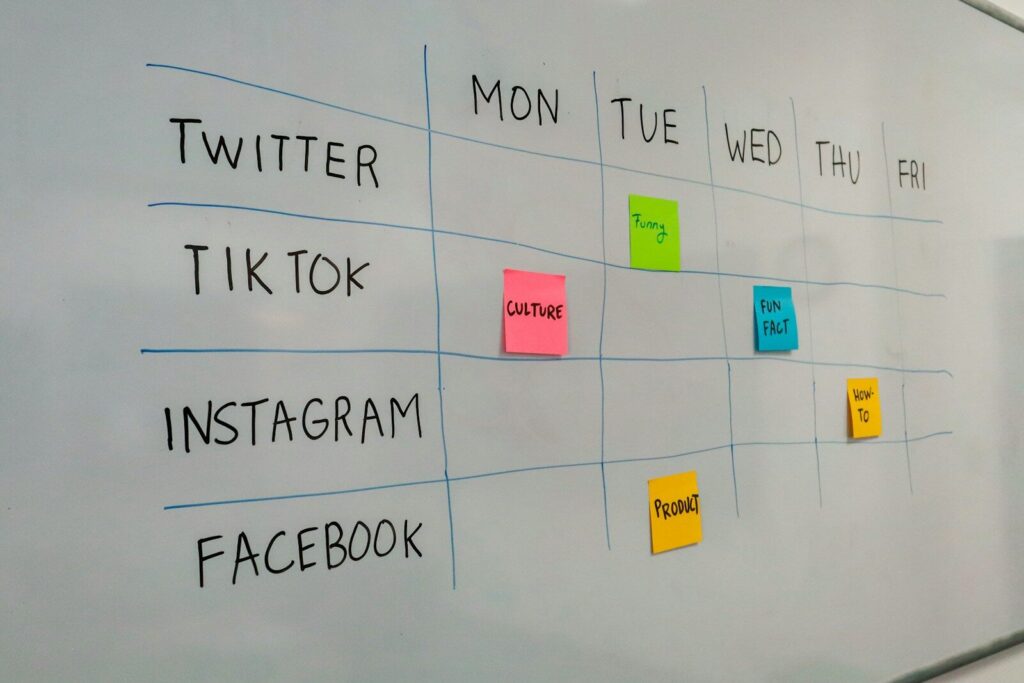
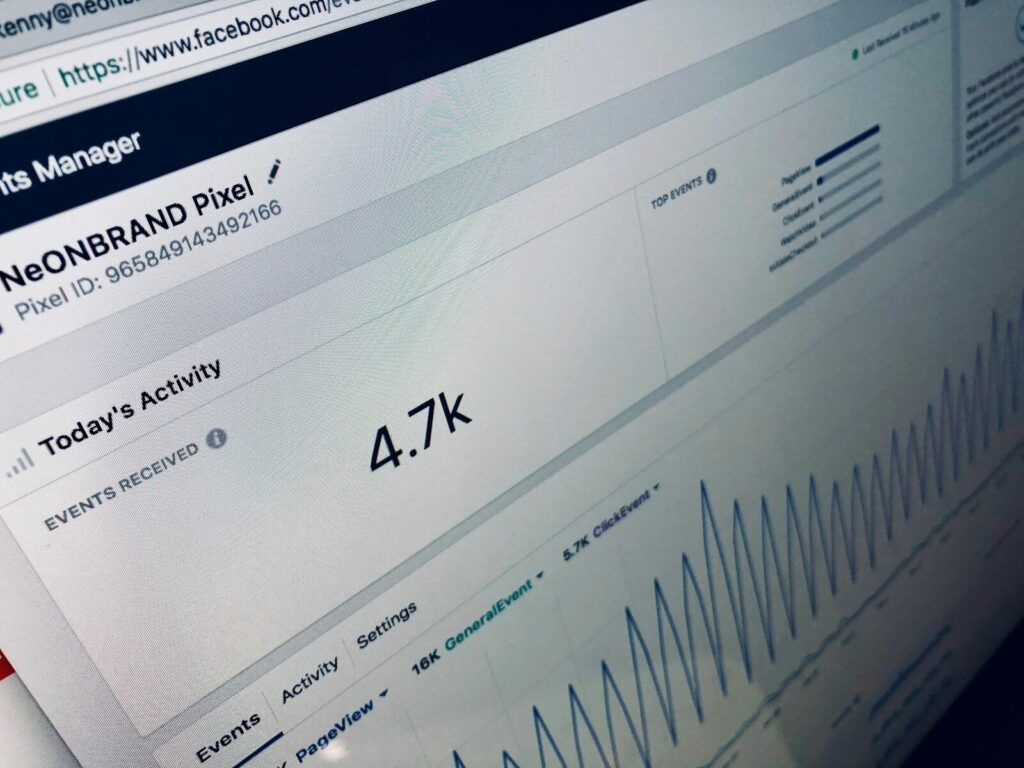
An all in one social media app helps businesses manage publishing, analytics, engagement, automation, and reporting from one dashboard instead of switching between multiple platforms. These tools improve workflow efficiency, reduce response time, and help marketing teams track ROI across Instagram, TikTok, LinkedIn, Facebook, X, and YouTube.
Managing social media manually becomes chaotic fast. One browser tab shows Instagram comments. Another contains LinkedIn analytics. TikTok notifications keep arriving while your scheduling tool breaks publishing workflows.
This creates operational friction. Businesses lose time, miss opportunities, and struggle to track performance accurately.
That is why companies increasingly rely on centralized social media management platforms to simplify operations, improve collaboration, and scale content distribution efficiently.
Modern tools now include AI social media agents, unified inboxes, automation workflows, predictive analytics, and advanced reporting systems that did not exist a few years ago.
For the bigger framework behind scalable growth systems, read our social media marketing strategies guide.
Why Businesses Need an All In One Social Media App
Social media management is no longer just content scheduling. Modern marketing teams manage publishing workflows, customer conversations, analytics, advertising campaigns, influencer collaborations, and lead generation simultaneously.
Handling all these tasks manually wastes time and creates inconsistent data. An all in one social media app centralizes operations into a single dashboard.
This improves visibility and helps businesses make faster decisions.
The Hidden Cost of Tool Fragmentation
Most businesses underestimate how much productivity they lose from switching between platforms. Research from workplace productivity studies shows that context switching reduces efficiency significantly.
Every time marketers jump between apps, they lose workflow momentum. Centralized systems reduce this operational fatigue.
Instead of managing disconnected tools, businesses gain one unified workflow for publishing, engagement, reporting, and campaign management.
The New Efficiency Standard
In the past, businesses mainly wanted scheduling features. That is no longer enough.
Modern platforms must provide:
- Unified social media inbox tools
- Cross-platform analytics dashboards
- AI-powered automation
- Social listening systems
- Team collaboration workflows
- Social media ROI tracking software
- Content approval systems
- CRM integrations
If a platform does not save your team meaningful time every week, the subscription cost becomes difficult to justify.
What Features Matter Most?
Businesses should focus on practical workflow improvements instead of chasing feature overload.
Unified Inbox Management
A unified inbox combines comments, DMs, mentions, reviews, and tagged conversations from multiple platforms into one dashboard.
This improves response time and helps brands maintain stronger customer relationships.
AI Workflow Automation
AI-powered systems now assist with caption writing, hashtag generation, publishing recommendations, sentiment analysis, and content repurposing.
Some platforms can even identify high-performing posting windows automatically.
Advanced Analytics
Strong analytics tools provide:
- Engagement tracking
- Audience growth analysis
- Click-through reporting
- Traffic attribution
- Campaign ROI measurement
Businesses should prioritize platforms that integrate with Google Analytics, Meta Ads, and ecommerce systems.
Best All In One Social Media Apps Compared
Different platforms serve different business needs. Some tools focus on simplicity while others prioritize enterprise-level analytics and collaboration.
The right choice depends on workflow complexity, team size, reporting needs, and budget.
| Tool | Starting Price | Best For | Strongest Feature |
|---|---|---|---|
| Eclincher | $99/month | Agencies and local brands | AI reputation management |
| Metricool | $22/month | Small businesses | Competitor ad tracking |
| Sprout Social | $249/month | Enterprise teams | Advanced social listening |
| Buffer | $15/month | Solo creators | Simple scheduling system |
| SmarterQueue | $29/month | Evergreen marketers | Automated recycling queues |
Eclincher
Eclincher is one of the strongest platforms for agencies and local business marketing. Unlike many competitors, it combines social scheduling, review management, automation, and local SEO workflows in one platform.
The AI reputation management system is especially useful for businesses managing customer reviews at scale.
Metricool
Metricool delivers strong analytics at a relatively low cost. It performs especially well for freelancers, small businesses, and growing agencies.
The competitor ad tracking feature helps marketers analyze paid campaigns across platforms and improve creative strategy.
Sprout Social
Sprout Social targets larger organizations and enterprise teams. Its strongest feature is advanced social listening and brand monitoring.
Businesses can track brand mentions, industry keywords, customer sentiment, and competitor conversations from one dashboard.
How to Build a Scalable Social Media Workflow
Most businesses fail because they connect tools without building workflows. A successful system requires clear organization.
Step 1: Connect Core Platforms First
Start with your highest-priority channels. Most brands should begin with Instagram, Facebook, LinkedIn, TikTok, and YouTube.
Connecting too many platforms immediately creates unnecessary complexity.
Step 2: Create Content Categories
Content organization improves consistency. Create publishing categories such as educational content, promotional content, testimonials, community engagement, and trending discussions.
This structure supports long-term content calendar ideas and scalable publishing workflows.
Step 3: Build an Approval Workflow
Businesses with multiple stakeholders should create content approval systems to reduce publishing errors.
Approval workflows also improve branding consistency across teams.
Step 4: Integrate Analytics and CRM Platforms
Businesses should connect their social platforms with Google Analytics, Shopify, HubSpot, and CRM systems.
This improves attribution tracking and campaign visibility.
How All In One Apps Improve Social Advertising
Social advertising becomes easier when businesses manage campaigns centrally. Many platforms now include ad reporting dashboards, cross-channel attribution, and audience analytics.
This helps marketers compare organic and paid performance together.
For businesses investing heavily in paid campaigns, this creates stronger decision-making systems.
You can learn more about this process in our guide on advertisement of social media.
How These Platforms Support Influencer Campaigns
Modern social media management tools also support influencer workflows by helping brands monitor mentions, track campaign performance, and organize creator partnerships.
Businesses running creator collaborations should also understand how to run an influencer marketing campaign effectively to maximize ROI.
People Also Ask
What is the best free all in one social media app?
Buffer and Hootsuite offer strong free plans for beginners. These plans usually support a limited number of accounts and scheduled posts.
Can one app manage Instagram and TikTok together?
Yes. Most modern platforms support Instagram and TikTok publishing together, including direct scheduling and analytics reporting.
Are all in one social media apps worth it?
For businesses managing multiple platforms, these tools often save significant time and improve workflow efficiency.
What is the biggest limitation of social media management apps?
The biggest limitation usually comes from API restrictions set by social platforms themselves. Some native platform features may not appear inside third-party dashboards.
Conclusion
The best all in one social media app is the one that simplifies your workflow without creating unnecessary complexity.
Centralized systems improve operational efficiency, strengthen visibility, and help teams scale content faster.
Start with the features that solve your biggest bottleneck first. Focus on workflow improvement instead of chasing every new feature.
Most importantly, remember that tools support strategy. They do not replace it.