Businesses do not fail on social media because they lack creativity. They fail because they lack structure.
One week they post a meme. The next week they disappear. Then they run paid ads without tracking conversions. After a few months, they say social media does not work.
That is not a platform problem. It is a systems problem.
Modern social media marketing strategies are no longer about posting every day and hoping something goes viral. The platforms changed. User behavior changed. Algorithms changed. Businesses now need a complete operating system that connects content, audience growth, lead generation, and sales.
A smart strategy combines Social SEO tactics, AI-driven content scheduling, community-led growth strategies, and measurable business goals. Without that foundation, your content becomes noise.
This guide breaks down a practical framework that businesses can use to create scalable social media growth in 2026 and beyond.
The Social Media Marketing Operating System
Think of social media like a business machine.
You put content into the system. The system produces awareness, leads, trust, and revenue. But if the machine is broken, even great content will fail.
A proper Social media operating system includes:
- Clear business goals
- Audience research
- Content production workflows
- Platform optimization
- Performance tracking
- Conversion systems
- Data collection
Most brands focus only on posting. High-growth brands focus on systems.
This shift matters because algorithms are becoming less predictable every year. Businesses that rely only on trends get unstable results. Businesses that build algorithm-agnostic content systems create consistent growth.
That means your strategy should work even when platform algorithms change.
Why Most Social Media Strategies Fail
Many businesses copy influencers instead of building a real business strategy.
Here are the most common mistakes:
- Posting without clear goals
- Creating content for likes instead of revenue
- Ignoring audience data
- Using every platform at once
- Not tracking conversions
- Weak branding consistency
- No content repurposing process
Social media should support your business model. It should not become a daily guessing game.
The solution is building repeatable workflows that connect marketing activity with business outcomes.
Phase 1: Audit and Goal Setting
Before creating content, audit your current position.
You cannot improve what you do not measure.
Understanding Your Current Baseline
Start with a complete social media brand auditing process.
Look at every profile as if you are a first-time customer. Ask yourself one question:
“Would I trust this business in 10 seconds?”
Check these areas carefully:
- Profile photos and branding consistency
- Bio clarity and positioning
- Broken links
- Outdated offers
- Mobile responsiveness
- Content quality
- Call-to-action visibility
- Lead capture systems
- SEO optimization
Social profiles now appear in search results more often than websites. That is why Social SEO tactics matter.
Use searchable keywords in your bio, captions, and video descriptions. Make it easy for customers to understand:
- What you do
- Who you help
- Why they should trust you
This small change improves discoverability across Instagram, LinkedIn, TikTok, YouTube, Facebook, and even Google search results.
Set Business-Aligned KPIs
Vanity metrics create false confidence.
Follower counts look impressive, but they do not pay salaries.
Smart businesses focus on value metrics tied directly to growth.
| Objective | Vanity Metric | Value Metric |
|---|---|---|
| Brand Awareness | Follower Count | Reach and Impressions |
| Engagement | Likes and Comments | Shares and Saves |
| Lead Generation | Profile Clicks | Landing Page Conversions |
| Sales | Video Views | Customer Acquisition Cost |
Businesses should also track:
- Retention rates
- Email signups
- Average watch time
- Sales pipeline contribution
- Social commerce ROI
When social media connects directly with revenue, decision-making becomes easier.
Choose One Primary Platform First
Many businesses spread themselves too thin.
They try to dominate Instagram, LinkedIn, TikTok, YouTube, Facebook, X, and Pinterest at the same time.
That approach usually fails.
Master one platform first.
Choose the platform based on:
- Audience behavior
- Content format strengths
- Sales cycle
- Industry trends
B2B companies often perform well on LinkedIn and YouTube.
Visual brands usually grow faster on Instagram and TikTok.
Local businesses may benefit more from Facebook and Instagram.
Focus creates momentum.
Phase 2: Content Strategy and Execution
Content is no longer just marketing.
Content is now sales infrastructure.
Every post should support awareness, trust, engagement, or conversions.
The Content Trinity Framework
Most successful brands use a balanced content system.
This guide calls it the Content Trinity Framework.
It contains three content categories:
1. Educational Content
This content answers questions and solves problems.
Examples include:
- How-to videos
- Tutorials
- Industry breakdowns
- Common mistakes
- Case studies
Educational content improves search visibility and supports Social SEO tactics.
It also positions your brand as an authority.
2. Inspirational Content
This content builds emotional connection.
Examples include:
- Behind-the-scenes content
- Founder stories
- Customer success stories
- Mission-driven posts
- Community engagement campaigns
This is where community-led growth strategies become powerful.
People follow brands that feel human.
3. Promotional Content
This content drives conversions.
Examples include:
- Offers
- Product launches
- Free consultations
- Demo videos
- Testimonials
Businesses often avoid promotional content because they fear looking “salesy.”
That fear hurts growth.
If your product solves a real problem, selling is part of serving your audience.
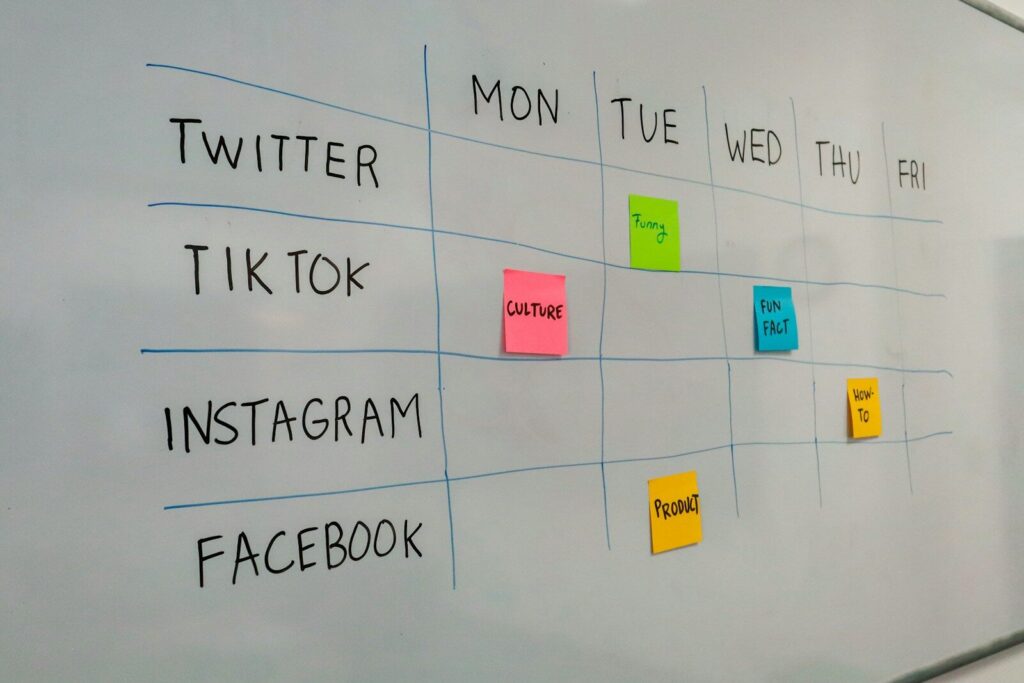
Build a Sustainable Content Calendar
Consistency matters more than intensity.
One strong post every day is better than 20 random posts per week.
The best solution is batch production.
Instead of creating content daily, dedicate one day each week for production.
Use this workflow:
Ideation → Research → Batch Production → Editing → SEO Optimization → AI-driven content scheduling → Publishing → Performance Review
This process saves time and improves quality control.
AI-driven content scheduling tools can also help identify the best posting windows based on audience behavior.
That allows businesses to stay consistent without burning out internal teams.
Create Algorithm-Agnostic Content
Algorithms constantly change.
Do not build your business around temporary platform tricks.
Instead, create algorithm-agnostic content.
That means your content remains valuable regardless of trends.
Evergreen examples include:
- Problem-solving tutorials
- Industry education
- Customer FAQs
- Step-by-step frameworks
- Process breakdowns
Trends can boost visibility temporarily.
Evergreen content builds long-term traffic and authority.
Optimize for Vertical Video
Short-form vertical video dominates modern social media platforms.
But many businesses still create videos without structure.
Improving your vertical video conversion rate requires three things:
- Strong opening hooks
- Fast pacing
- Clear calls to action
The first three seconds decide whether viewers continue watching.
Start with:
- A surprising statement
- A painful problem
- A bold result
- A direct question
Keep captions visible because many users watch without sound.
Use simple language. Avoid jargon.
Leverage Creator-Led Marketing
People trust people more than logos.
That is why creator-led marketing continues growing rapidly.
Businesses no longer need celebrity influencers with millions of followers.
Micro-creators often produce stronger engagement and more targeted audiences.
Strong partnerships include:
- Industry experts
- Local creators
- Employees
- Customers
- Brand advocates
Creator-led marketing works because audiences prefer authentic recommendations over polished advertising.
Phase 3: Measurement and Adaptation
Posting content without analysis wastes resources.
Data should guide every optimization decision.
Analyze the Full Content Lifecycle
Many businesses create content once and never use it again.
That is inefficient.
High-performing content should be repurposed into multiple formats.
One webinar can become:
- Short-form clips
- LinkedIn posts
- Email newsletters
- Instagram carousels
- YouTube Shorts
- Blog articles
This multiplies content output without multiplying workload.
Repurposing also improves brand consistency.
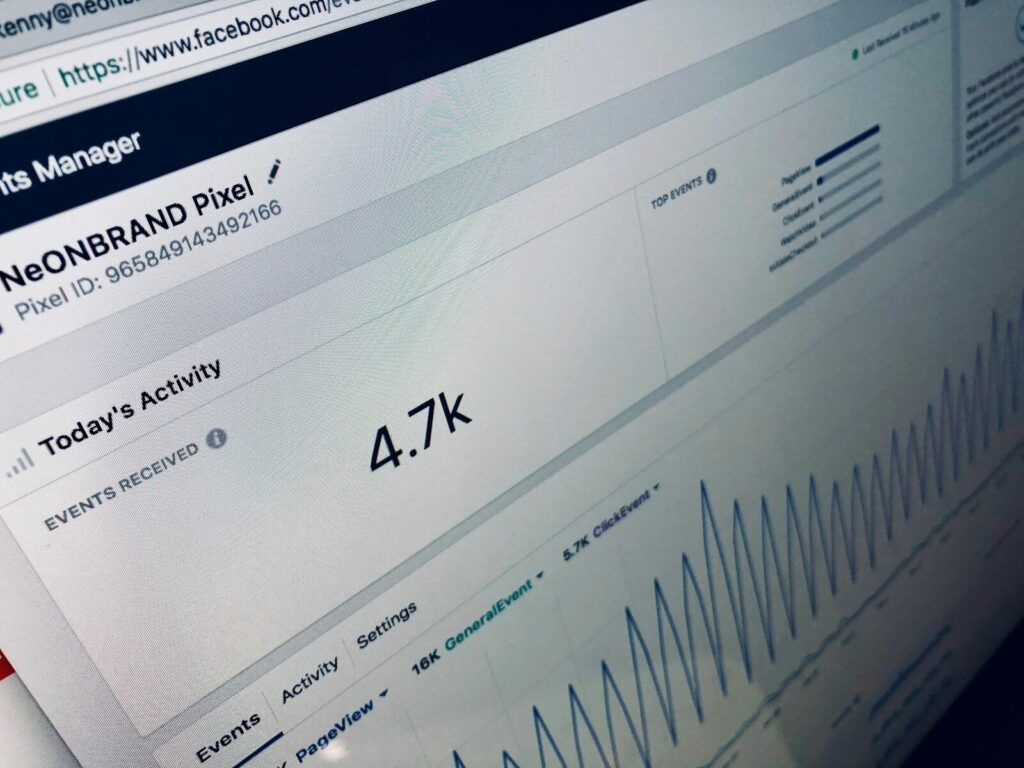
Track Multi-Channel Attribution Modeling
Customers rarely buy after one interaction.
They may:
- See your Instagram Reel
- Visit your website
- Read your emails
- Watch your YouTube video
- Return through Google search
- Convert weeks later
That is why multi-channel attribution modeling matters.
Businesses must understand how channels work together.
Without attribution tracking, marketing decisions become guesswork.
Use tools like:
- Google Analytics
- UTM tracking
- CRM dashboards
- Heatmaps
- Conversion tracking systems
This provides clearer visibility into customer behavior.
Use AI for Audience Insights
Artificial intelligence is no longer optional.
Modern businesses use AI to:
- Analyze comments
- Identify trends
- Generate content ideas
- Improve customer support
- Predict audience behavior
AI should support strategy, not replace creativity.
The best use case is feedback analysis.
Comments, DMs, reviews, and customer questions contain valuable market research data.
Businesses that listen carefully create stronger content and better offers.
Monitor Social Media Performance Benchmarks
Performance data only matters when compared against benchmarks.
Track monthly improvements in:
- Engagement rate
- Reach growth
- Lead quality
- Customer acquisition cost
- Website traffic
- Video retention
- Social commerce ROI
Benchmarking reveals what is improving and what needs adjustment.
Without benchmarks, teams often make emotional decisions instead of strategic decisions.
The Future of Social Media Marketing
Social media platforms are becoming search engines, shopping platforms, entertainment hubs, and customer service channels at the same time.
Businesses must adapt quickly.
The future belongs to brands that:
- Build communities instead of audiences
- Collect first-party data collection assets like emails and SMS subscribers
- Create educational content
- Use automation intelligently
- Develop repeatable systems
First-party data collection is especially important because privacy regulations continue changing.
Brands that own customer relationships become less dependent on platform algorithms.
Conclusion: Start Small and Scale Smart
Strong social media marketing strategies are built on systems, not luck.
Businesses that win online do not rely on random posting or temporary hacks. They build repeatable processes that support long-term growth.
Start with one platform.
Create a simple content workflow.
Track real business metrics.
Repurpose high-performing content.
Use data to improve continuously.
Most importantly, focus on helping your audience solve real problems.
That approach works across every platform, every algorithm change, and every market cycle.
Consistency beats intensity.
Strategy beats trends.
Systems beat guesswork.