Have you ever wondered how big companies always seem to know what customers want, or how they make smart decisions that help them grow? It’s not magic, I promise! It’s something called business intelligence, or BI for short.
From my years of experience, I’ve seen firsthand how looking at numbers and facts can completely change how a business works. It helps them move from just guessing to making really smart, informed choices. Let’s dive in and explore this exciting world together.
What Does Business Intelligence Actually Mean
Business intelligence is like a superpower that helps companies understand what happened in the past, what’s happening now, and why. It’s about using all the data a business collects to get clear answers and make better decisions.
Simple explanation of business intelligence
Think of it this way: imagine you want to know how well you did on your report card. You look at all your grades, right? That’s kind of like business intelligence. A business collects lots of “grades” – like how many products they sold, or how many people visited their website.
My job, for many years, has been to help businesses gather these “grades” and put them into simple reports. This way, they can easily see if they are doing well or where they need to improve. It’s about turning confusing numbers into clear stories.
Why business intelligence is more than just data
Just having a pile of numbers isn’t enough, is it? Imagine a huge box full of LEGO bricks. You can’t really play with them until you sort them out and build something cool. Data is like those LEGOs.
Business intelligence takes those raw numbers and turns them into something meaningful. It creates charts, graphs, and easy-to-read reports. It builds a clear picture, helping everyone in the company understand what the data is trying to tell them. It tells a story.
How business intelligence supports decision making
When you have a clear picture, it’s much easier to decide what to do next. For example, if a store sees that blue toys sell much faster than red ones, they know to order more blue toys.
I’ve seen so many businesses make choices based on hunches or “gut feelings.” But with BI, they can say, “The data shows us that if we do X, then Y is likely to happen.” It makes their choices stronger and often more successful. That’s the power of data-driven decisions.
Why Business Intelligence Is Important for Businesses Today
Business intelligence is super important today because the world moves so fast, and businesses need quick, smart answers to stay ahead. It helps them avoid mistakes and find new ways to grow.
How businesses use data to stay competitive
Imagine two lemonade stands. One just guesses what flavors people like. The other uses a small notebook to write down what flavors sell best each day, what time is busiest, and what the weather was like. Which one do you think will sell more lemonade?
The second stand uses a simple form of business intelligence. They use data to understand their customers better and make smarter choices. This is how big businesses stay competitive – by knowing their market and customers inside out.
I’ve helped companies discover new trends in their sales data. They found out certain products sold better together, or at specific times of the year. This knowledge helped them create special offers and beat their rivals.
Why intuition alone is no longer enough
While gut feelings can be helpful sometimes, relying only on intuition in business is like trying to find your way in a dark room without a flashlight. You might bump into things!
The world changes so quickly with new technologies and customer tastes. What worked last year might not work today. Business intelligence acts like that flashlight, showing you exactly where you are and where you’re going, based on real facts, not just guesses.
Many times, I’ve seen managers think they knew what customers wanted, only for the data to show something totally different. The numbers don’t lie, and they often reveal surprising truths that intuition alone would miss.
How business intelligence reduces uncertainty
When you’re trying to make a big decision, like opening a new store or launching a new product, there’s always a bit of worry. Will it work? Will people like it? This is called uncertainty.
Business intelligence helps make that uncertainty smaller. By looking at past trends and current facts, businesses can get a much clearer idea of what might happen. It’s like checking the weather forecast before you plan a picnic – you can be more prepared.
I always tell my clients that BI doesn’t remove all risk, but it definitely shines a light on the path forward. It gives them the confidence to take bold steps because those steps are backed by solid information.
How Business Intelligence Works Step by Step
The process of what is business intelligence involves several steps, from gathering raw information to presenting it in a way that helps people make smart decisions.
Where business data comes from
Data comes from almost everything a business does! Think about it: when you buy something online, that’s data. When you click on an ad, that’s data. When a store scans an item, that’s data.
Sources include sales records, website visitor logs, customer surveys, social media posts, records of how products are made, and even emails. It’s like gathering all the different pieces of a giant puzzle. Every action creates a piece of information.
I’ve helped companies pull data from cash registers, online shopping carts, customer service chats, and even sensors in factories. It’s amazing how much information businesses create every single day.
How data is collected and organized
Once all this data is gathered, it’s usually a huge, messy pile. Imagine all your school papers just thrown into a box. You wouldn’t find anything!
So, the next step in business intelligence is to collect all that data and put it into special computer systems. These systems clean it up, make sure it’s accurate, and organize it neatly. This makes it easy to find and use later, like putting all your papers in labeled folders.
This cleaning and organizing is super important. If the data is messy or wrong, any decisions made from it will also be wrong. My team spends a lot of time making sure data is perfect before anyone looks at it.
How insights are generated from raw data
After the data is clean and organized, special tools and people like me look at it. We ask questions like, “What are our best-selling items?” or “Which marketing campaign worked the best?”
We use software to create charts, graphs, and reports that answer these questions. These visual reports are called “insights” because they give us new understanding. They show trends, patterns, and important facts that weren’t obvious in the raw numbers. It’s like seeing the finished picture after all the puzzle pieces are put together.
What Are the Key Components of Business Intelligence
A good intelligence system has several important parts that work together to turn raw data into smart decisions.
Data sources and data integration
First, you need the actual data, which comes from all those places we talked about – sales systems, websites, customer databases, etc. These are the data sources.
Then, all this data needs to be brought together into one place. This is called data integration. It’s like gathering water from many different streams into one big river. It makes sure all the information can be used together, rather than being stuck in separate silos.
In my work, setting up data integration is often the first big step. It’s crucial because if you can’t get all your data talking to each other, you won’t get a full picture of your business.
Data storage and data management
Once all the data is collected and integrated, it needs a safe place to live. This is where data storage comes in, often using something called a “data warehouse.” Think of it as a super-organized library for all your company’s facts and figures.
Data management is making sure this library stays tidy, updated, and secure. It ensures that the data is correct and always ready to be used. Without good management, even the best data warehouse can get messy.
I always emphasize the importance of a solid data warehouse. It’s the foundation of any strong business intelligence effort. Without it, you’re constantly digging through piles, rather than finding what you need instantly.
Reporting, dashboards, and visualization tools
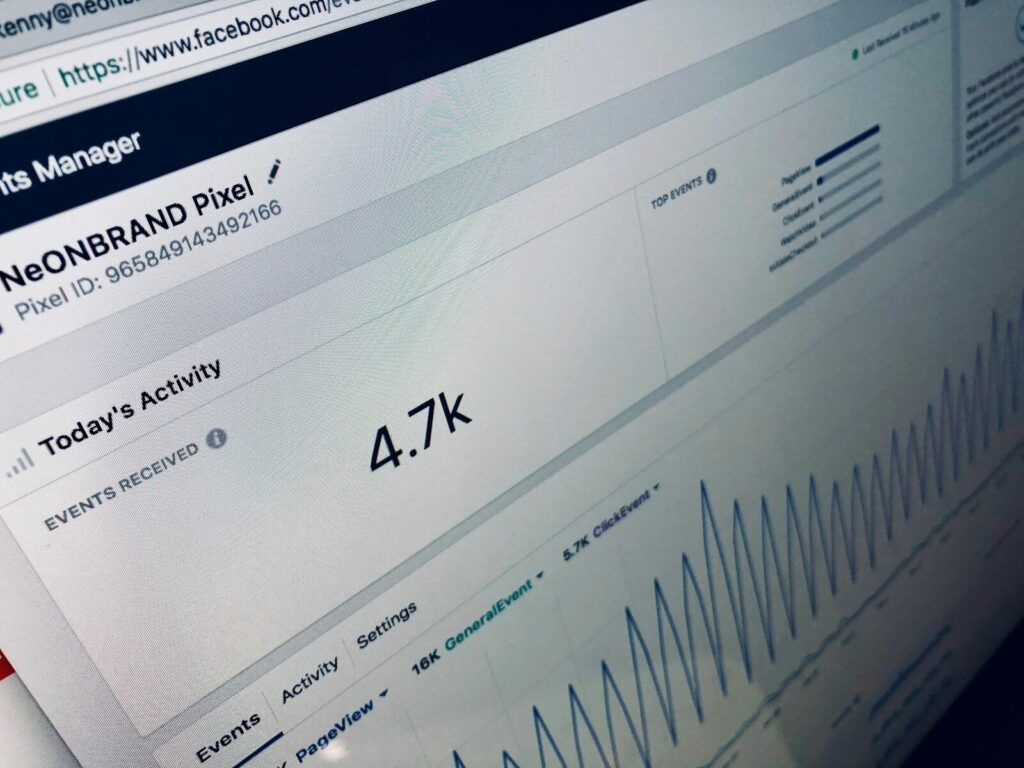
These are the fun parts of business intelligence that make data easy to understand! Reporting tools create documents with tables and summaries. Dashboards are like digital control panels that show important numbers and charts all in one place, like a car’s dashboard.
Visualization tools turn numbers into colorful graphs, maps, and other pictures. They make complex information simple and quick to grasp. Instead of reading a long list of numbers, you can see a trend at a glance.
Creating clear and insightful dashboards is one of my favorite things to do. When a client sees their business’s performance laid out simply with beautiful charts, it’s like a lightbulb goes off for them. It truly helps them grasp what’s happening.
How Businesses Use Business Intelligence in Real Life
Companies use business intelligence in almost every part of their operations to make smarter choices every day.
Business intelligence in sales and marketing
In sales, BI helps companies understand who their best customers are, what products they buy most, and why some sales go better than others. It helps sales teams focus their efforts where they’ll get the best results.
For marketing, BI shows which ads work best, on what websites or social media, and for which groups of people. It means they don’t waste money on ads that don’t reach the right audience. They can target their messages precisely, like a skilled archer hitting a bullseye.
I helped an online clothing store use BI to see that their ads for winter coats worked best in certain cold states, and less well in warmer ones. They adjusted their ad spending and saved a lot of money, while selling more coats.
Business intelligence in finance and operations
In finance, BI helps track where money is coming from and where it’s going. It can spot unusual spending or areas where money is being wasted. It helps managers keep a close eye on their budget and make sure the company is healthy.
For operations, it can show how smoothly a factory is running, how quickly products are shipped, or if there are any delays. This helps businesses fix problems fast and make everything work more efficiently, like a well-oiled machine.
Once, I worked with a manufacturing company that used BI to discover a small delay in one part of their production line. By fixing that one tiny problem, they sped up their whole process and saved a lot of money each month.
Business intelligence in customer behavior analysis
This is a super interesting area. Business intelligence helps companies understand how their customers act. What do they click on? What do they buy together? When do they stop buying?
By understanding customer behavior, businesses can offer better products, create special deals that customers actually want, and even predict what customers might want in the future. It helps build stronger relationships with their customers.
I’ve seen companies use BI to personalize websites. If you often buy pet supplies, the website might show you more pet products. This makes shopping easier and more enjoyable for you, and helps the company sell more.
What Are the Benefits of Business Intelligence
Using business intelligence brings many great benefits to companies, helping them make smarter choices, save money, and find new ways to grow.
How business intelligence improves decision accuracy
One of the biggest benefits is that it helps businesses make decisions that are more likely to be right. When you base your choices on real facts and trends, instead of just guesses, your chances of success go way up.
It’s like having a map when you’re going on a trip. You’re much less likely to get lost than if you just started driving without one. BI provides that map for businesses, making their decisions much more accurate.
I remember a client who wanted to open a new store in a certain neighborhood. Their gut told them it was a great spot. But BI showed that while many people lived there, very few of them were in their target customer group. They chose a different location and thrived.
How it saves time and operational cost
When you know exactly what’s working and what’s not, you can stop wasting time and money on things that aren’t effective. Business intelligence helps spot inefficiencies, like a broken process or too much inventory.
By making operations smoother and cutting out waste, businesses can save a lot of money. It also saves time because managers don’t have to spend hours trying to figure out what the problem is – BI points it out quickly.
I’ve helped many companies find ways to automate reports that used to take days to create by hand. This not only saved countless hours but also eliminated errors, directly impacting their bottom line.
How it helps identify growth opportunities
Business intelligence isn’t just about fixing problems; it’s also about finding exciting new opportunities. It can reveal hidden trends, like a new type of customer or a product that’s suddenly becoming popular.
By understanding these trends, businesses can create new products, enter new markets, or find new ways to connect with customers before their competitors do. It helps them stay innovative and continue to grow bigger and better.
One company I worked with used BI to see that a small group of their customers were also buying a specific type of product from a different company. They realized they could offer that product themselves, creating a whole new revenue stream.
What Is the Difference Between Business Intelligence and Data Analytics
People sometimes mix up business intelligence and data analytics, but they are actually a bit different, like two different tools in a toolbox. They work best when used together!
How business intelligence focuses on past and present data
Think of business intelligence as looking in the rearview mirror or at what’s happening right now. It answers questions like: “What were our sales last month?” “Who are our best customers today?” “Why did this happen?”
It helps you understand the “what” and the “why” of past and current events. It’s about getting a clear picture of how your business has been doing and what its current situation is. It’s descriptive and diagnostic.
In my line of work, a large part of what is business intelligence is creating those clear reports and dashboards that show historical performance and current status, helping clients see their journey so far.
How analytics supports prediction and forecasting
Data analytics, on the other hand, is like looking into a crystal ball, but a very smart, data-powered one. It tries to answer questions like: “What will happen next?” “What could happen if we do X?”
It uses special math and computer models to predict future trends, identify potential risks, and suggest the best actions to take. It’s about forecasting and making recommendations for the future, not just understanding the past.
For example, if BI tells you that umbrella sales went up every time it rained last year, data analytics might try to predict how many umbrellas you’ll sell next week based on the weather forecast. It’s about future-gazing.
Why businesses often use both together
The smartest businesses use both business intelligence and data analytics because they complement each other perfectly. BI gives you a solid foundation of what has happened, and analytics builds on that to tell you what might happen and what you should do.
You can’t really predict the future well if you don’t understand the past. So, BI helps set the stage, and then analytics steps in to guide future actions. Together, they give a complete view for decision-making.
I often set up BI dashboards first, so clients have a clear view of their current state. Then, we can layer on more advanced analytics projects to explore future possibilities, knowing we’re building on good information.
Who Should Use Business Intelligence Systems
Anyone who makes decisions based on data can benefit from business intelligence systems, from small shop owners to the biggest companies in the world.
How small businesses use business intelligence
Even a small bakery can use BI. They can track which pastries sell best on which days, or what time of day they have the most customers. This helps them bake the right amount and staff their store correctly.
For a small online store, BI can show which products are viewed most often, or where their customers are coming from. This helps them wisely spend their advertising money. It’s not just for big players anymore; simple BI tools are available for everyone.
I’ve helped local restaurants use basic sales data to figure out their most profitable menu items and the busiest hours. This small insight made a big difference to their ordering and staffing, proving that BI scales to any size business.
Why enterprises rely heavily on intelligences
Large companies, called enterprises, have an enormous amount of data. Imagine trying to manage sales for thousands of products across many countries without any help – it would be impossible!
Enterprises rely on intelligent systems to make sense of this massive data. It helps them coordinate across different departments, understand global markets, and manage complex operations efficiently. It’s essential for their survival and growth.
For big corporations, BI tools are integrated into almost every aspect of their work. From supply chain management to customer relationship management, BI provides the insights needed to keep the enormous ship sailing smoothly.
Roles that benefit most from BI tools
Many people within a company can get a lot out of BI. Managers, obviously, need it to guide their teams. Marketing teams use it to understand customers and campaign effectiveness.
Salespeople can use it to find their best leads. Finance departments use it to keep track of money. Even HR can use it to understand employee trends. Basically, anyone who needs to understand “what happened?” and “why?” benefits from business intelligence.
If you’re looking to boost your career, learning about BI tools and how to use them is a super valuable skill. It makes you a more informed and powerful decision-maker, no matter your role.
Common Challenges in Using Business Intelligence
While business intelligence is amazing, it’s not always a smooth ride. There are some common bumps in the road that companies face when trying to use it effectively.
Data quality and accuracy issues
One of the biggest problems is having bad data. If the information going into the system is wrong, incomplete, or messy, then the answers coming out will also be wrong. We call this “garbage in, garbage out.”
Imagine trying to bake a cake with rotten eggs; it won’t taste good! The same goes for BI. Ensuring that data is clean and accurate is a huge, ongoing task that requires careful attention.
I’ve spent countless hours helping clients clean up their data. Sometimes, it means finding out why a certain system isn’t recording sales correctly, or training staff to enter information properly. It’s foundational to good BI.
Difficulty in interpreting insights
Even with great data and beautiful dashboards, sometimes people struggle to understand what the insights actually mean. Not everyone is used to reading complex charts or understanding statistical trends.
The goal of artificial intelligence in business is to make things clear, but if the reports are too complicated, or if people aren’t trained to understand them, then the value is lost. It needs to tell a simple, actionable story.
This is where my experience really comes in handy. I don’t just build the reports; I also help teams understand what they’re seeing and how to use that information to make real business improvements. It’s about explaining the story the data is telling.
Resistance to data-driven culture
Sometimes, people in a company are just used to doing things the old way, relying on experience or intuition. They might not want to change, even if the data shows a better path.
Creating a “data-driven culture” where everyone values and uses business intelligence to make decisions can be tough. It requires showing people how BI helps them, not just bosses, and building trust in the numbers.
I’ve found that the best way to overcome this resistance is to start small and show quick wins. When people see how data helps them solve their own daily problems, they become much more open to using BI.
How Business Intelligence Is Evolving in the Digital Age
Artificial Business intelligence is always changing and getting smarter, especially with new technologies popping up all the time. It’s an exciting field that keeps moving forward.
Role of automation and real-time data
In the past, getting BI reports might have taken days or even weeks. But now, with automation, reports can be generated much faster. Some systems can even show “real-time” data, meaning you see what’s happening right this second!
This “real-time” view is incredibly powerful. Imagine if a store could see exactly which product was selling at that very moment, or if an airline could track flight delays instantly. It helps them react much faster to changes.
I’ve helped clients set up automated dashboards that update every hour. They can now spot a problem in the morning and fix it by lunchtime, instead of finding out about it days later. This speed is a game-changer.
How cloud-based BI tools are changing access
Before, only very big companies could afford the complex software and computers needed for business intelligence. But now, many BI tools are “cloud-based.” This means they live on the internet, like Google Docs or Netflix.
Cloud-based BI makes it much easier and cheaper for even small and medium-sized businesses to use powerful BI tools. You just need an internet connection, and you can access your data insights from anywhere. It’s democratizing data.
This accessibility is fantastic. It means more businesses, no matter their size, can harness the power of their data to grow and succeed, something that wasn’t possible just a few years ago.
Future direction of business intelligence
The future of intelligence is looking even more exciting! We’ll see more use of Artificial Intelligence (AI) and machine learning to find patterns in data that humans might miss.
BI tools will also become even easier to use, almost like talking to a smart assistant who can answer your business questions. They will give more proactive suggestions, rather than just reports. It will be like having a super-smart advisor built right into your systems.
I believe BI will become even more personalized and predictive. Imagine your BI system telling you, “Based on last year, you should launch your new product on this specific date for the best sales.” That’s the direction we’re heading.
Final Thoughts on Understanding Business Intelligence
Understanding intelligence isn’t just for data experts; it’s a valuable skill for anyone who wants to make smart decisions in business, or even in everyday life.
Why learning business intelligence is valuable
Learning about BI helps you think more logically and critically. It teaches you to look for facts and evidence before making a choice. These are super important skills, not just for business, but for school and life too.
In the job market, people who understand and can use BI tools are highly sought after. They are the ones who can help companies navigate complex problems and find clear paths to success. It makes you a valuable asset.
My advice to anyone interested is to start exploring. There are many online resources and simple tools you can play with to get a feel for how data can tell a story.
How businesses can start using BI effectively
If you own a business and want to start using intelligence in business, don’t try to do everything at once. Start small. Pick one important question you want to answer, like “Which product line is most profitable?”
Then, figure out what data you need to answer that question, gather it, and find a simple tool to analyze it. You can even consider getting expert help to set up your systems correctly from the start. A good place to look for professional help with these kinds of systems is with a Business Automation Service Provider.
In simple terms, business intelligence is the process of using data from your business to understand past and present performance, helping you make smart, informed decisions that lead to better outcomes. It matters for modern businesses because it helps them stay competitive, reduce risks, identify new opportunities, and ultimately, grow and succeed in a fast-paced world.